Finding the right typography for your next crafting or print-on-demand project can take hours of scrolling through endless libraries. Whether you are designing custom wedding invitations, personalized coffee mugs, or boutique logos, the Welcome Font offers a clean, inviting aesthetic that suits a wide range of creative needs. This display typeface works exceptionally well for small business branding and handmade goods where everyday readability and visual charm are equally important.
What types of projects work best with this lettering?
Designers and hobbyists often look for versatile typefaces that transition easily from digital graphics to physical products. Because of its distinct character shapes, this font is highly effective for a variety of applications:
- Apparel design: Printing catchy phrases on t-shirts, canvas tote bags, and baby onesies for online storefronts.
- Paper crafts: Creating handmade greeting cards, detailed scrapbook titles, and elegant wedding stationery suites.
- Home decor: Cutting custom vinyl decals for wooden signs, framed wall art, and personalized glassware.
When working with automated cutting machines, the clean lines and balanced spacing help prevent tearing on intricate cuts. This means less time weeding and more time finishing your custom orders for clients.
How can you pair this typeface with other design styles?
Typography pairing is an essential skill for creating professional-looking layouts. Mixing different weights, textures, and moods helps guide the reader's eye across your design without causing visual clutter. Here are a few ways to build balanced text combinations for your craft fair booth or e-commerce shop:
If your main project needs a cheerful, upbeat secondary text, pairing your primary letters with a bright and bouncy option creates a fun, youthful contrast. For more formal events like bridal showers or anniversary parties, balancing the main text with a classic duo typeface pairing provides an elegant, readable foundation.
When designing for a younger demographic or children's products, mixing in something playful and feminine adds a lively touch to the overall layout. On the other hand, if you are making farmhouse-style wood signs or rustic wedding favors, complementing the main text with rustic and farmhouse style typography grounds the design in a cozy, traditional feel. Finally, for bakery logos, coffee shop menus, or sweet treat packaging, you might want to combine it with bold and sweet lettering to emphasize key promotional words.
Is the file format compatible with standard design software?
Before purchasing any digital asset, crafters and print-on-demand sellers need to know if it will work seamlessly with their current tools. Typically, these display typefaces come packaged with standard OpenType (OTF) and TrueType (TTF) files.
- Adobe Illustrator and Photoshop: OTF files are generally preferred in professional design suites because they support advanced typographic features like ligatures, swashes, and alternate characters.
- Microsoft Word and basic editors: TTF files are usually the most reliable format for everyday word processing and simple layout tasks.
- Cutting software: Both Cricut Design Space and Silhouette Studio accept OTF and TTF formats directly. Just install the file to your operating system, restart the software, and the new letters will appear in your text drop-down menu.
How do you ensure clean cuts on vinyl projects?
Working with custom lettering on adhesive vinyl requires a bit of technical preparation. Intricate fonts can sometimes cause the cutting machine blade to snag, resulting in torn edges or ruined material. To avoid this, always weld your letters together in the design software before sending the job to the machine. Welding removes the overlapping cut lines between connected characters, creating one single, continuous shape that is much easier to weed. Additionally, using high-quality transfer tape will help keep all those small inner loops perfectly aligned when you apply them to your final surface.
What steps should you take before finalizing your design?
Before you hit print or cut your final materials, run through this quick setup list to ensure your project turns out exactly as planned:
- Check your commercial license documentation to confirm you are legally allowed to sell physical products made with the digital file.
- Install both the OTF and TTF files on your computer so you have access to all basic and advanced characters.
- Perform a test cut on scrap material if you are using a vinyl cutter with a new blade or unfamiliar material thickness.
- Convert your text to outlines or vector paths if you are sending the final design file to a commercial print shop to avoid missing font errors.
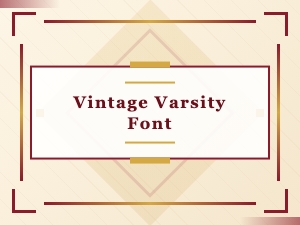 Vintage Varsity Font Ideas for Retro Designs
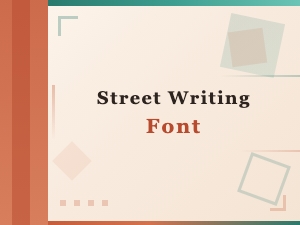 Street Writing Font Inspiration for Urban Design
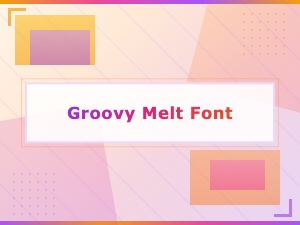 Groovy Melt Font: Retro Style for Creative Projects
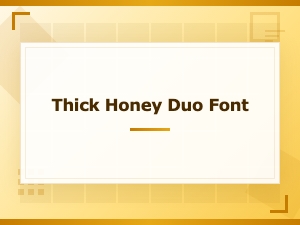 Thick Honey Duo Font: Bold Typography for Sweet Brands
 Elevate Your Designs with the Perfect Designer Font
 Super Bubble Font for Playful Design Projects